 HOME
Back
© Robert Blackmore 2024


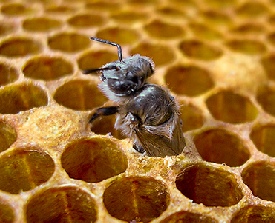
New Bee
A new bee emerges from a sealed wax cell. It takes 21 days from an egg being laid by the queen for this worker bee to develop
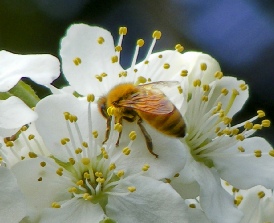
Spring Blossom
Honey bee foraging on Crab Apple blossom
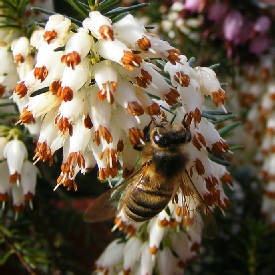
Honey Bee on Heath
Winter Heather grown in pots providing this honey bee with valuable forage in February
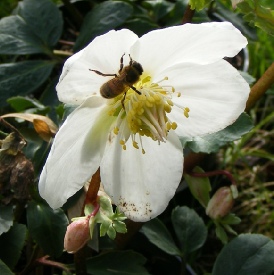
Honey Bee on Hellebore
Hellebores provide bees with pollen early in the year as long as the weather is warm enough for them to fly
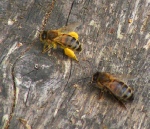
Willow
Honey bee on its way into a hive loaded with willow pollen
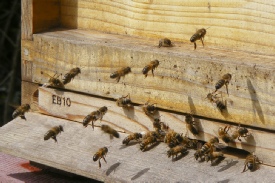
No Place Like Home
Young bees take the opportunity provided by a spell of spring sunshine to make orientation flights. The bees hover in front of their hive, learning to recognise it, so they can find their way home when they later go on foraging expeditions.
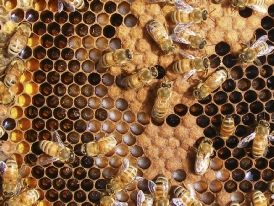
Brood Comb
Sealed brood, unsealed brood in various stages, pollen and nectar stores.
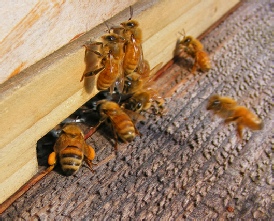
End of the Day
Two bees warm themselves in the late afternoon sun while foragers return to the hive with nectar and pollen.
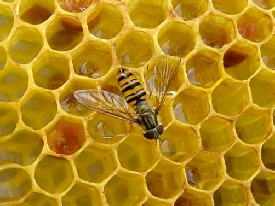
When is a Bee Not a Bee?
When it's a Hoverfly
This cheeky chap dropped in to steal a quick drink of nectar during a hive inspection.
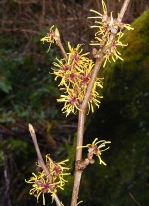
Witch Hazel Flower, Late January
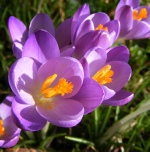
Crocus
One of the early sources of pollen for bees
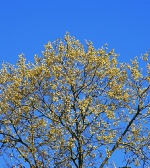
Willow
Willow blossom
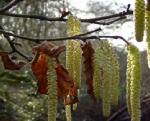
Hazel catkins and flower
Bee Picture Gallery
| Honey |
| Beeswax |
| Craft |
| Projects |
| Information |